Artist Intent Pictionary- grades K-5
- Leah Mattice
- Mar 17, 2020
- 3 min read

Updated: May 6, 2020
-------------------------------------------------------------------------------------------------------


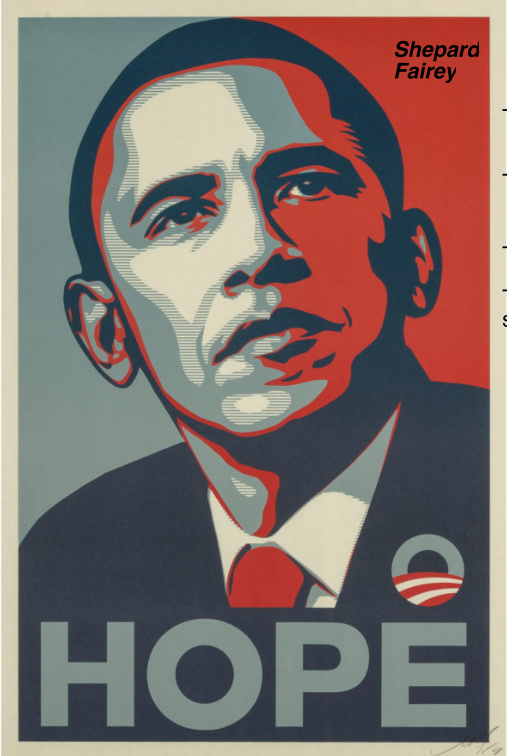

Looking at someone's art is like playing Pictionary, searching it for clues, to find out what the art is really about. Drawing is also like playing Pictionary, using visual hints to show a viewer your idea.
Play, "Art History Pictionary."
Use the following sentence stems to describe a sample work of art (above).
I see…. The overall feeling is….because…. The artist communicates….by showing….
The color....means…. The color.....reminds me of…...
The artist chose.....colors to show….
También jugar, "Historia del Arte Pictionary."
Describa una muestra de arte (arriba). ¿Qué muestra el artista y qué crees que significa el arte? ¿Qué dicen los colores de la imagen? ¿Cuál es la sensación general del arte?"
-----------------------------------------------------------------------------------------------------------
Et aussi jouer, "Histoire de l’art Pictionary." Décrivez une exposition d’art (ci-dessus). Que montre l’artiste et que pensez-vous que signifie l’art ? Que disent les couleurs de l’image ? Quel est le sentiment général de l’art ?"
----------------------------------------------------------------------------------------------------
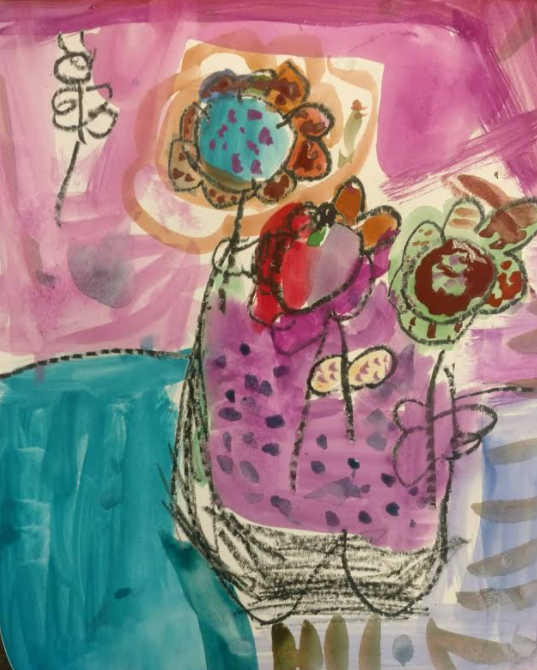
Play "My Art Intent Pictionary."
Step by step directions:
1. Medium- Choose what you will use to make art:
a- Paper & something to draw with (pencil, crayon, pen, marker, chalk)
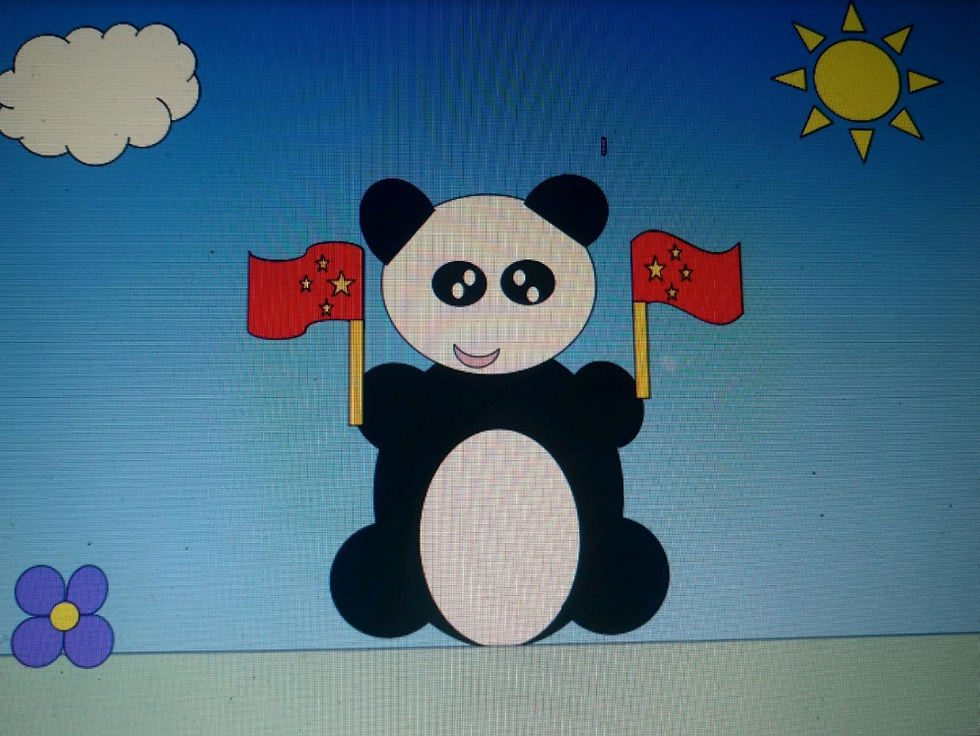
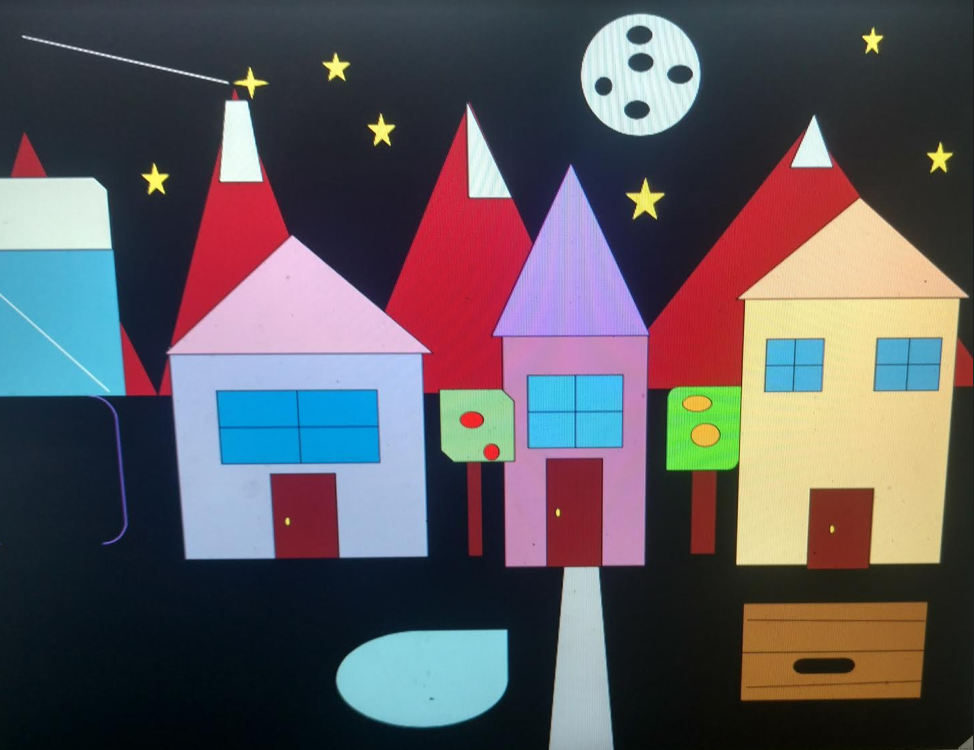
b- Chalk & cement c- Play dough. d- Blocks or Legos e- Google Drawings
2- Draw or build your creation.
3- Find a partner, and ask them: What do you see in my art? What do you think my art is about?
4- Was your partner right? What can you do to make your artistic intentions more clear?
5- Make any needed changes or finishing details to complete your art.
--------------------------------------------------------------------------------------------------------------
¿Buscas una actividad artística para las vacaciones de primavera? Toca "Artist Intent Pictionary".
Paso a paso: 1. Medio- Elija lo que utilizará para hacer arte: a- Papel y algo para dibujar con (lápiz, crayón, pluma, marcador) b- Chalk & cement c- Play dough. d- Bloques o Legos e- Google Dibujos 2- Dibujar o construir su creación. 3- Encuentra pareja y pregúntales: ¿Qué ves en mi arte? ¿De qué crees que se trata mi arte? 4- ¿Tenía razón su pareja?¿Qué puedes hacer para que tus intenciones artísticas sean más claras? 5- Realice los cambios o detalles de acabado necesarios para completar su arte.
---------------------------------------------------------------------------------------------------------------
Tu cherches une activité artistique pour les vacances de printemps ? Joue "Artist intent Pictionary". Une étape à la fois : 1. demi- choisissez ce que vous allez utiliser pour faire de l’art : a- Papier et quelque chose à dessiner avec (crayon, crayon, plume, marqueur) b- Chalk & Cement c- Play Dough. d- Blocs ou Legos e- Google Dessins 2- Dessiner ou construire sa création. 3- Trouvez un partenaire et demandez-leur : que voyez-vous dans mon art? Qu’est-ce que vous pensez que c’est mon art? 4- Votre partenaire avait-il raison? Que pouvez-vous faire pour que vos intentions artistiques soient plus claires? 5- effectuez les modifications ou les détails de finition nécessaires pour compléter votre art.
Colorado State Standardized Expectations and Evidence Outcomes of Visual Arts
5th Grade: Standard 3. Invent and Discover to Create. Grade Level Expectation:1. Plan works of visual art and design where intended meaning is communicated to viewers. Evidence Outcome b. Evaluate art to determine if intended meaning was effectively communicated.
4th Grade, Standard 1. Observe and Learn to Comprehend. Grade Level Expectation:2. Respond to an artist’s point of view being mindful of historical, contemporary and cultural context.Evidence Outcome b. Respond to works of art using inference and empathy.
3rd Grade, Standard 1. Observe and Learn to Comprehend. Grade Level Expectation1. Investigate works of art and design to recognize how to create meaning with purpose and intent. Evidence Outcome b. Use the language of visual art and design as a tool to help determine artistic intent.
2nd Grade, Standard 2. Envision and Critique to Reflect. Grade Level Expectation:1. Share and explain choices made and possible next steps in personal works of visual art and design. Evidence Outcome c. Use the language of visual art and design to describe observations and form opinions.
1st Grade, Standard 4. Relate and Connect to Transfer. Grade Level Expectation:1. Identify how artists and designers make connections through personal stories between self, family and friends. Evidence Outcome c. Discuss how visual art and design are used to remember and document personal stories and feelings.
Kindergarten, Standard 2. Envision and Critique to Reflect, Grade Level Expectation:1. Notice and discuss what can be seen in works of visual art and design. Evidence Outcome b. Give an opinion on works of visual art and design.
Comments