City Settings and Characters - Narrative Art
- Leah Mattice
- Mar 24, 2020
- 2 min read

Updated: May 22, 2020






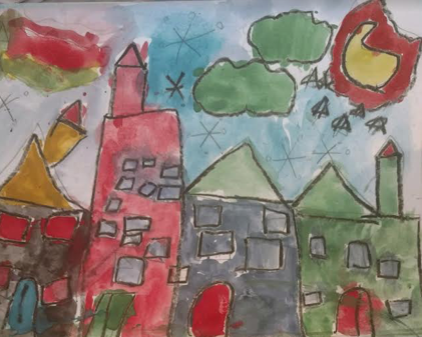
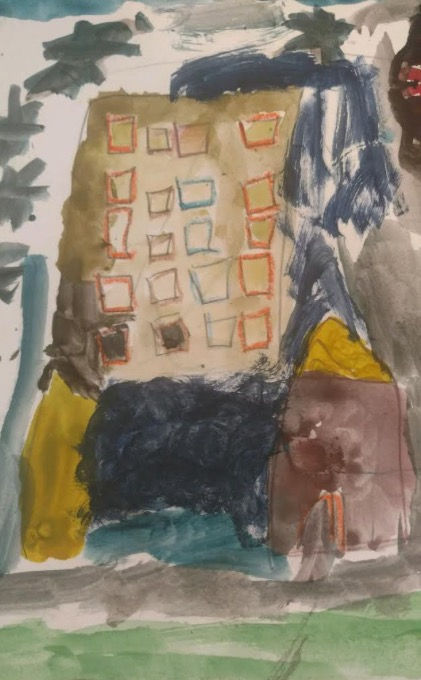
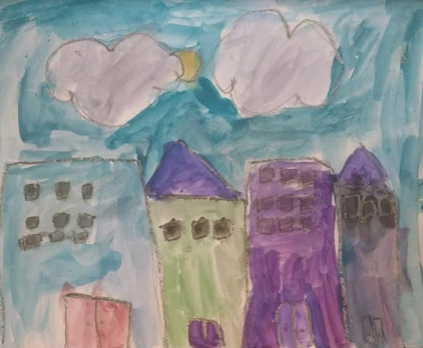
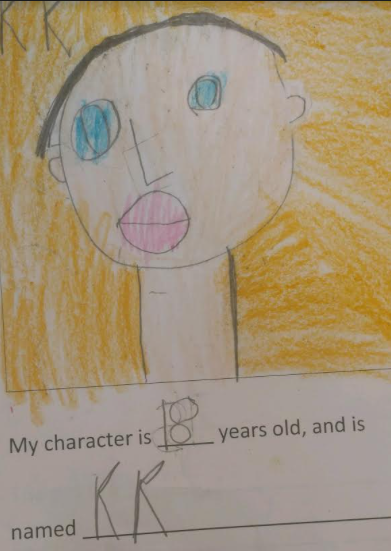
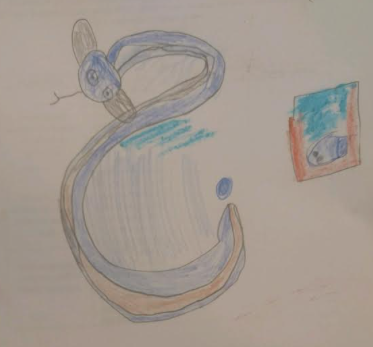
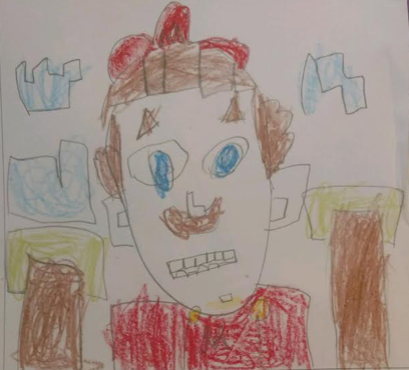
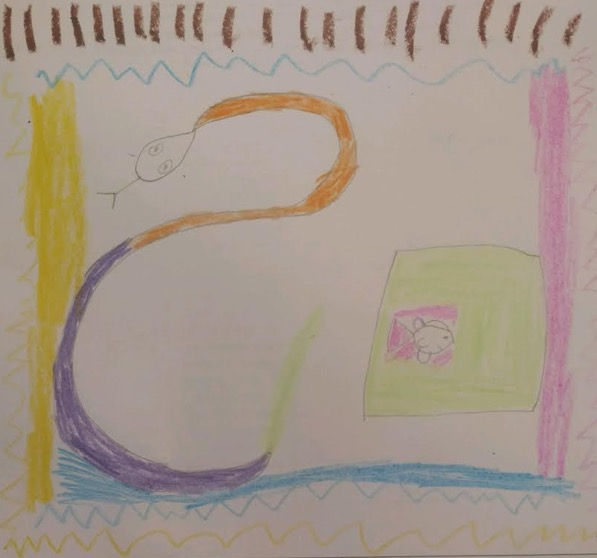
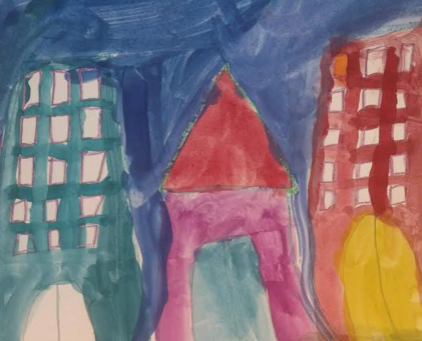
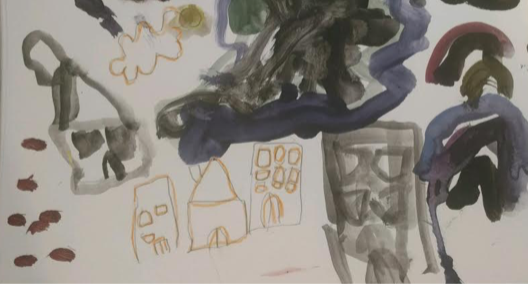
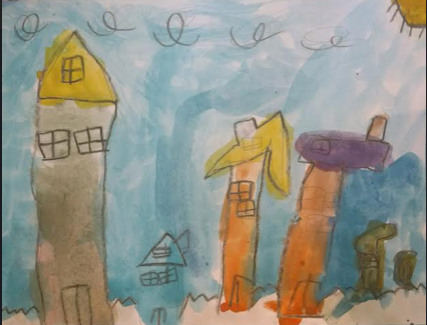
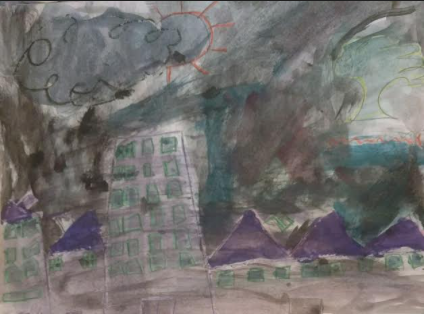
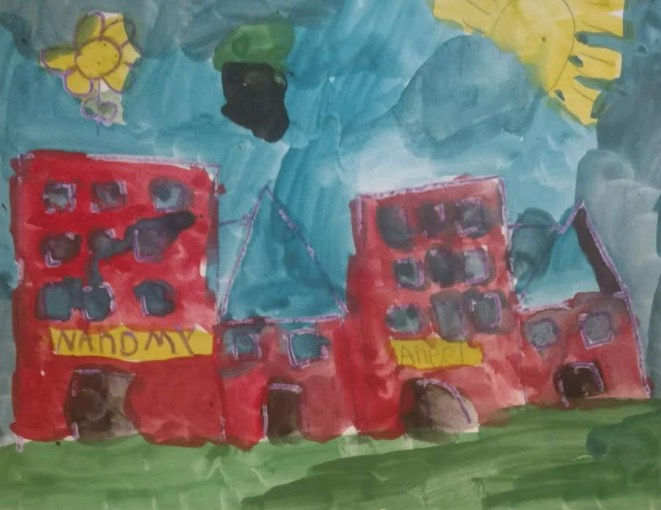
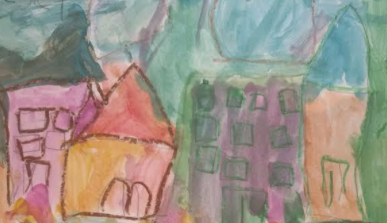

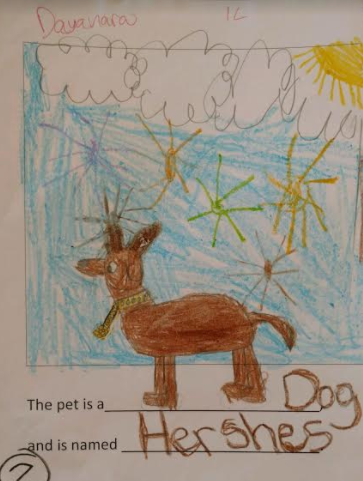
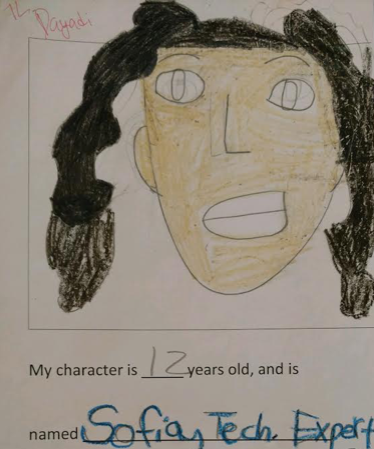
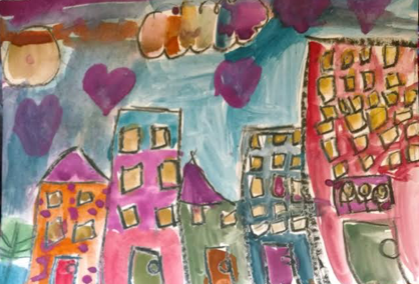
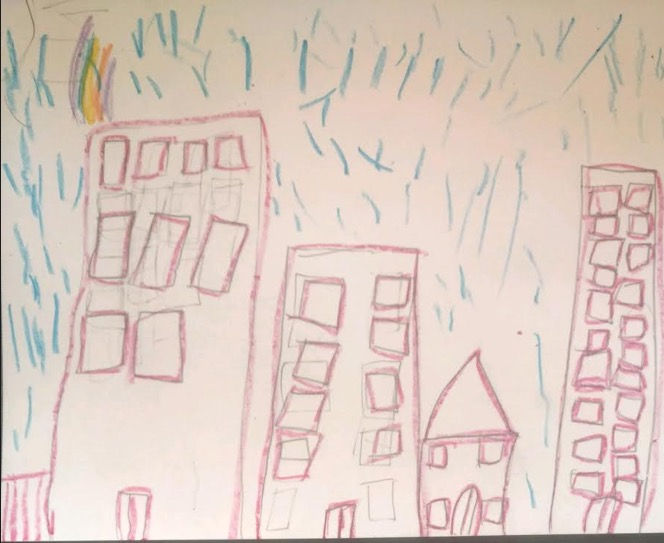

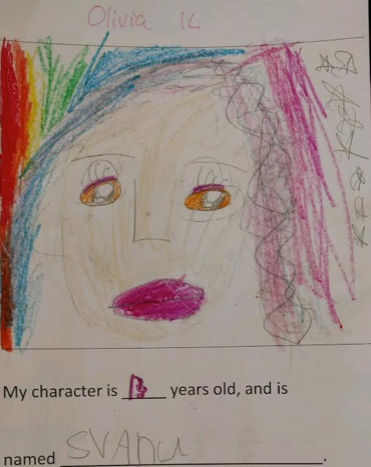
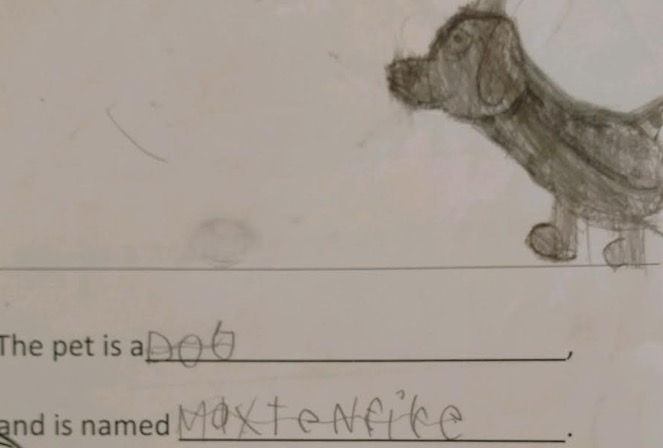
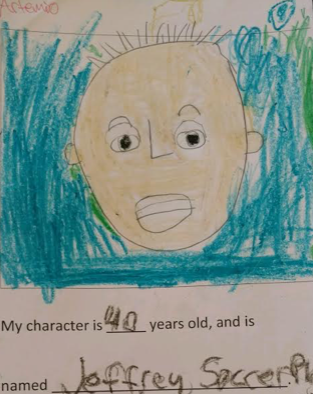
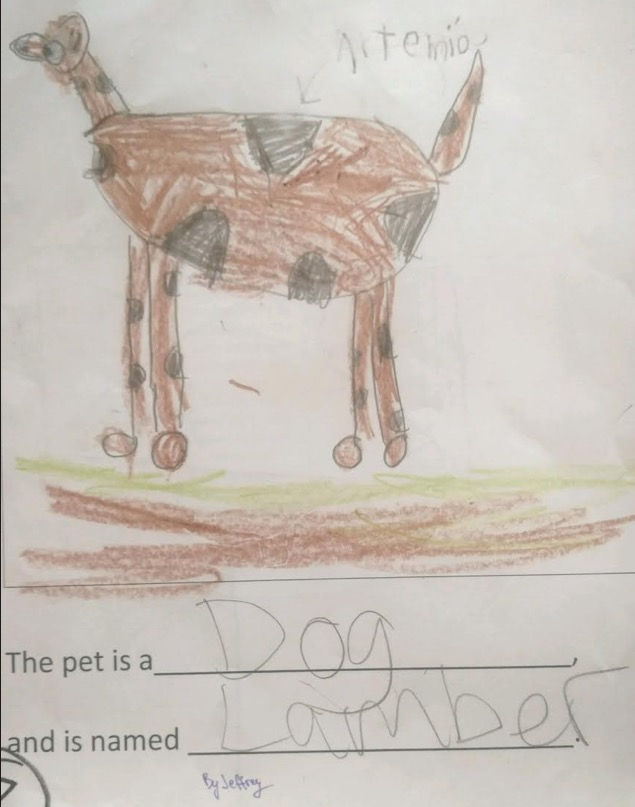
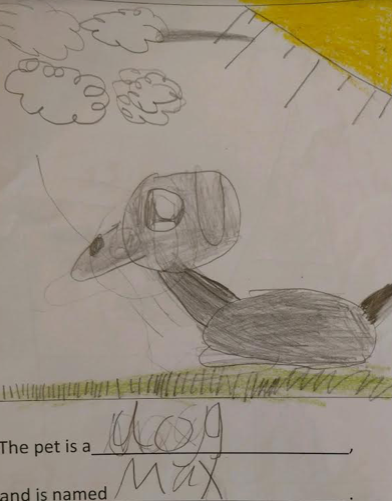
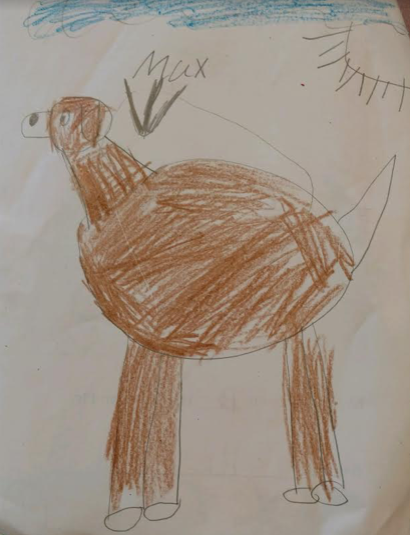
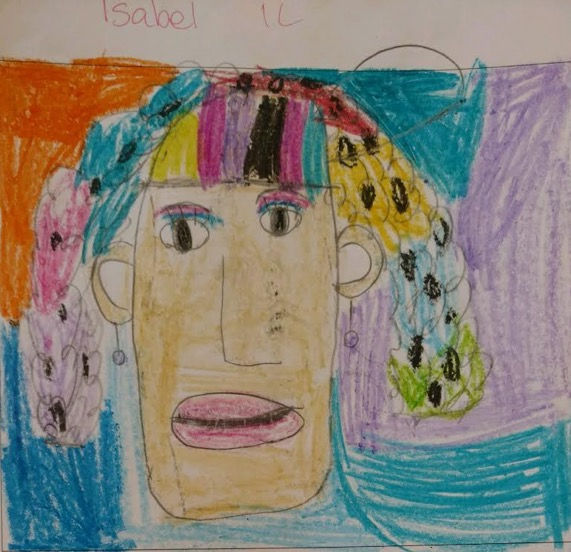
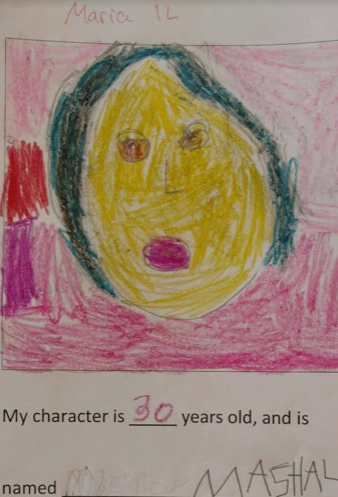
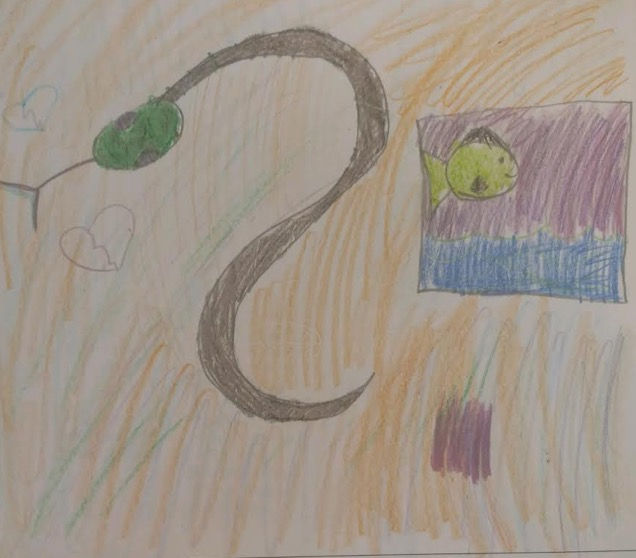
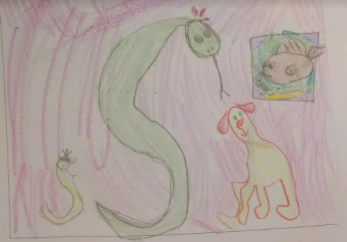
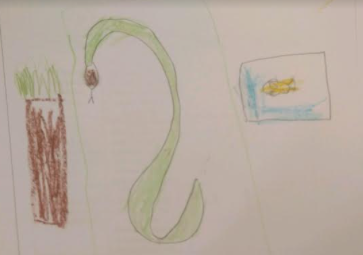
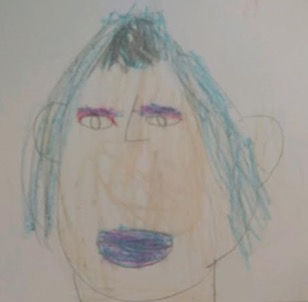
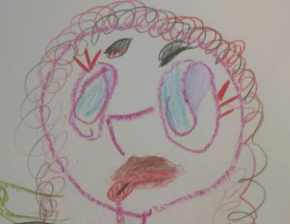
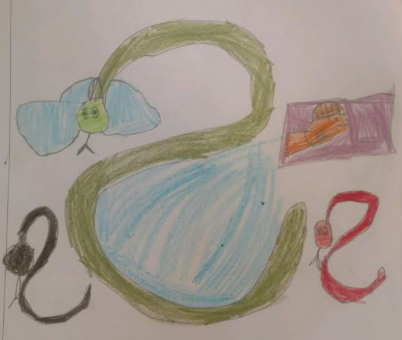
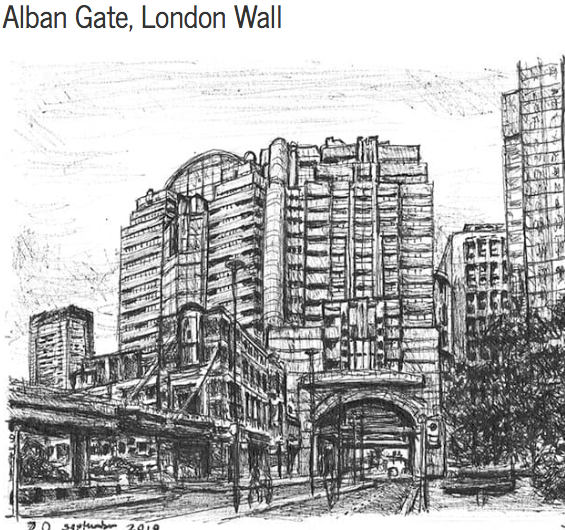
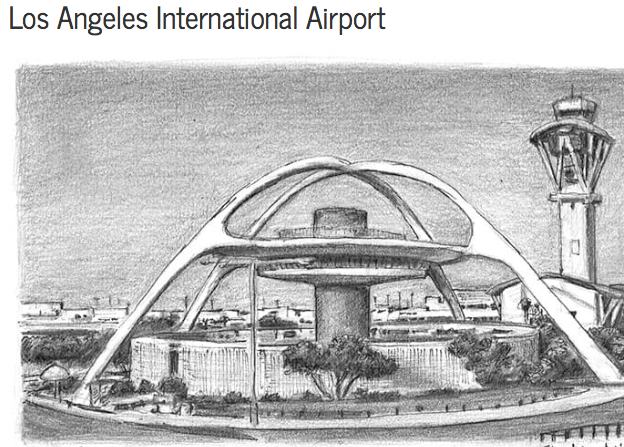
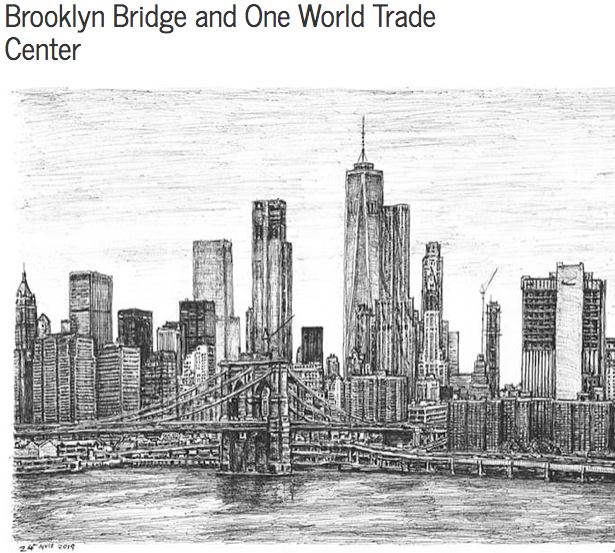
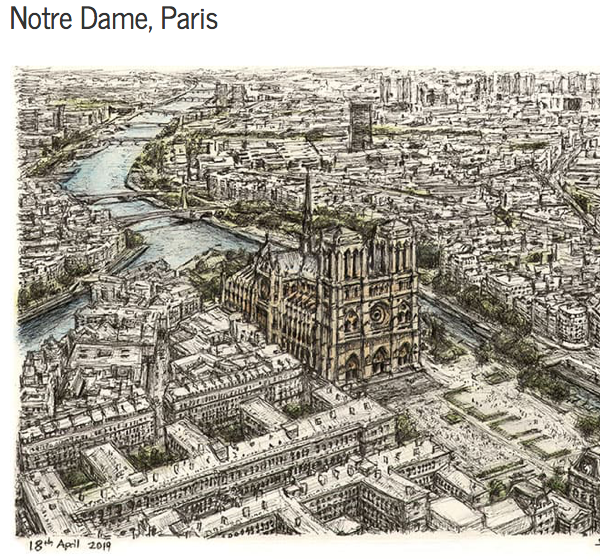
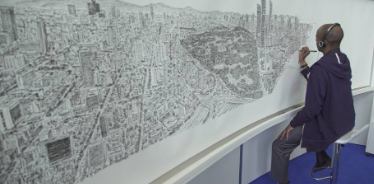
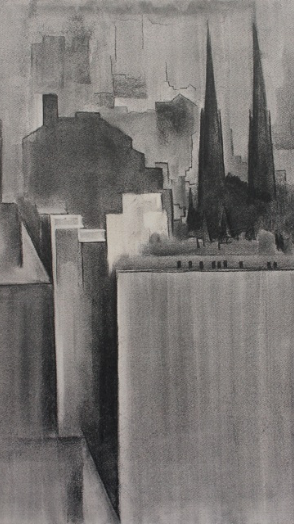
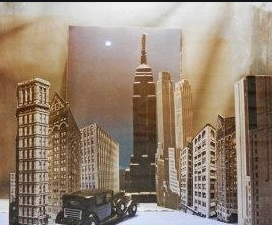
First grade began by looking at cityscape panoramic drawings by Stephen Wiltshire. They read about his process of first seeing a city first hand (visiting there, and sometimes even flying over it by helicopter), and then drawing the city from memory in his classroom or home art studio. (People call him a savant because of his brilliant memory.) Students investigated the art, discussing what was drawn in explicit detail, and what was omitted. In most of his art samples, children noticed that no people shown in the sidewalks or streets, and that the art was void of color.
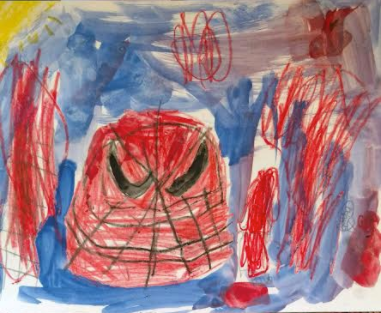
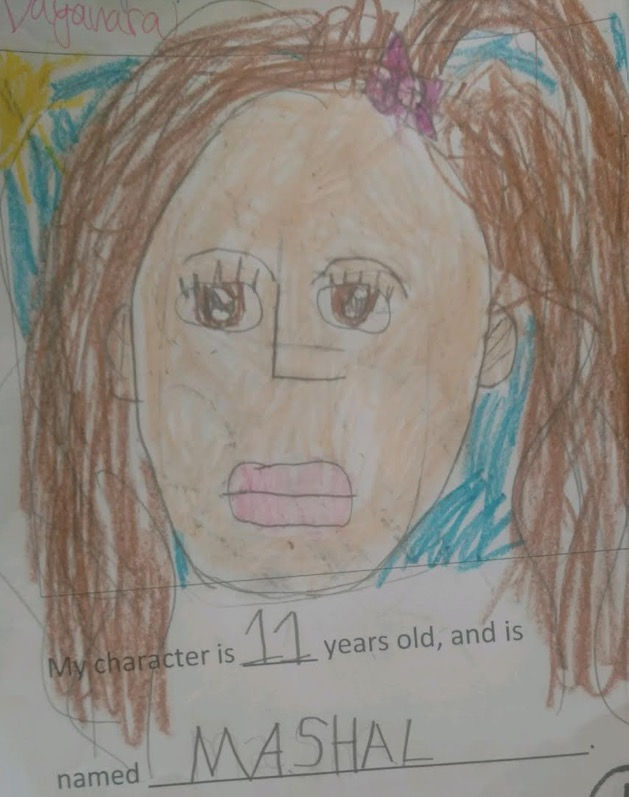
First grade was then asked, "Who could live in a big city? Imagine who would be a character living in a Wiltshire drawing." Students then drew pictures and wrote reflections to answer the question.
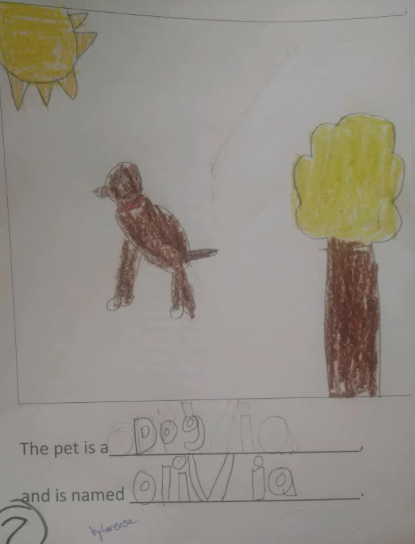
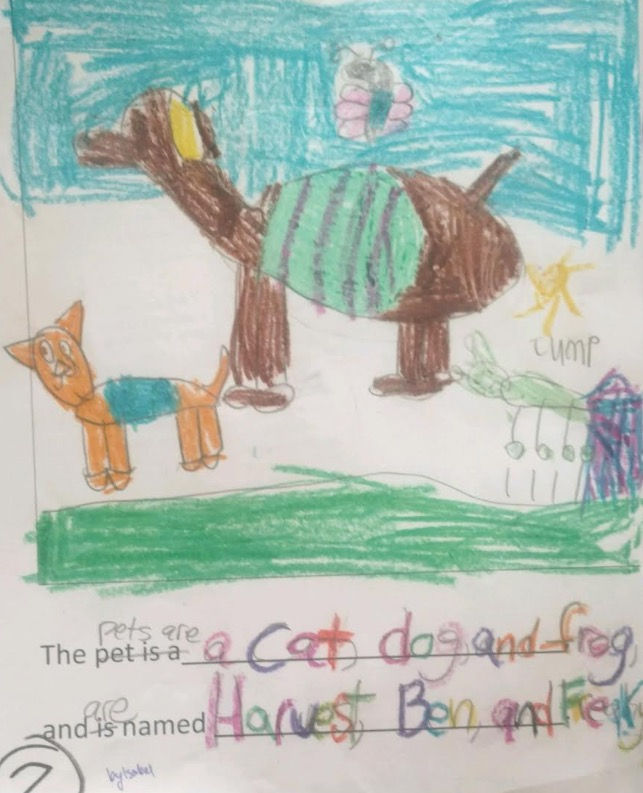
Next, children were asked, "What kinds of pets live in big cities? Why don't large animals, like cows, deer, and bears live in the city?" Then they drew pictures animals who could be living in a Wiltshire city.
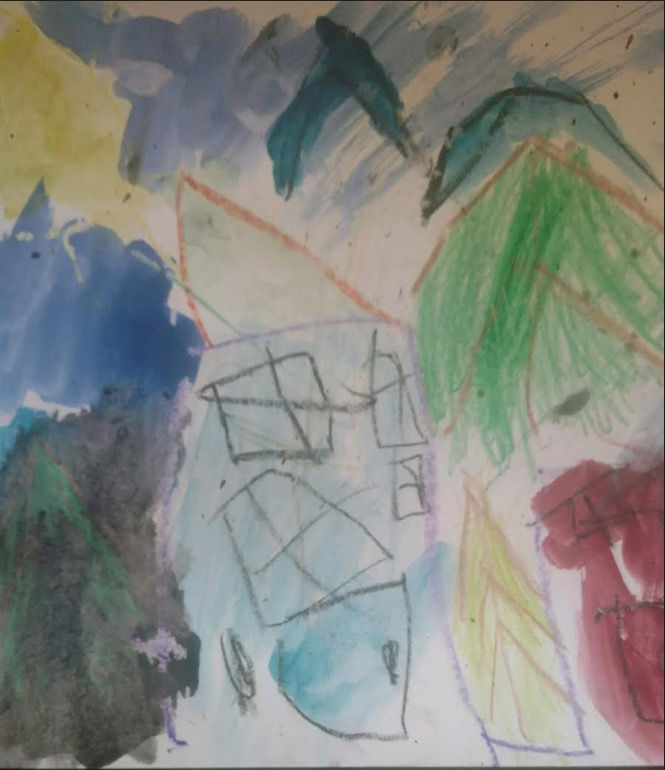
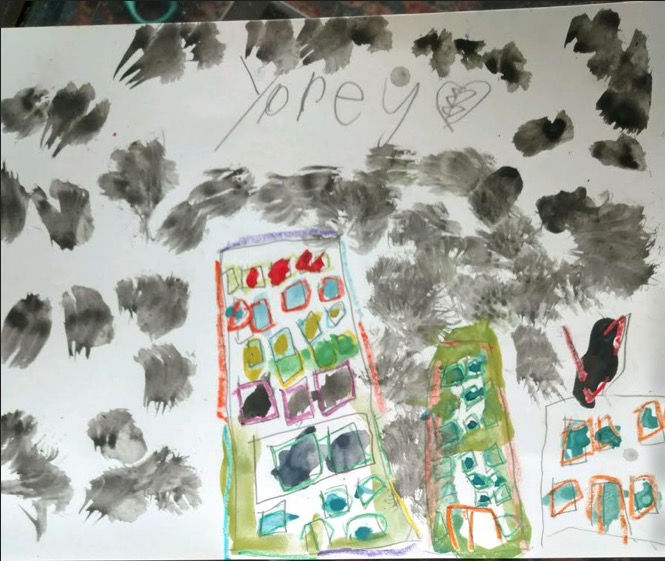
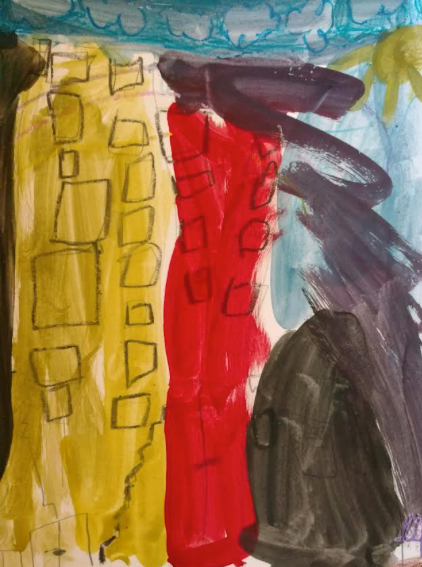
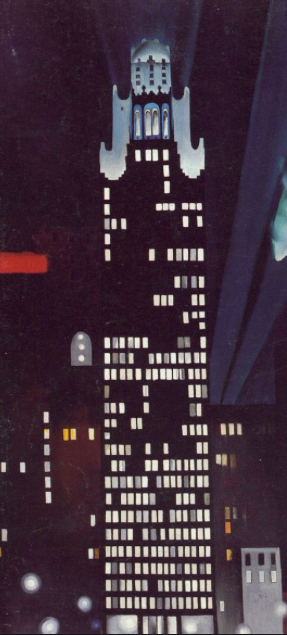
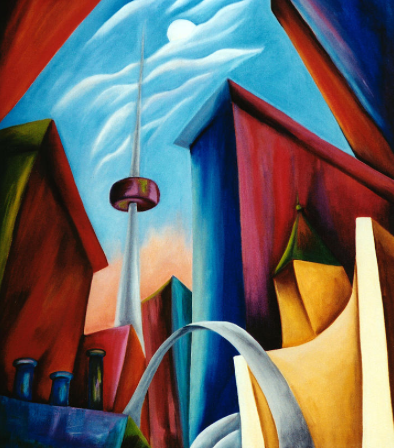
Finally, first grade observed the shapes and patterns Wiltshire and Georgia O'Keeffe used to describe city skylines. Children compared the two artists' cityscapes, noting the absence of people.. They also decided they wanted to paint their city drawings, like O'Keeffe had. First grade achieved their cityscapes through wax resist technique; first drawing with crayons, then painting with watercolor.
Art by Stephen Wiltshire:

Cityscapes by Georgia O'Keeffe:

This lesson was originally written to teach Colorado State 2020 Visual Arts Standard 4, for the 1st grade.
Visual Arts Standard 4- Relate and Connect to Transfer
Concept and Skill 4.1- Visual arts relate experiences to self, family and friends.
Evidence Outcome 4.1.b- Students can describe a personal story based on work of art using multiple modalities.
This lesson can also teach other grade levels the following visual arts standards:
4th Grade, Standard 2. Envision and Critique to Reflect, Grade Level Expectation: 2. Synthesize researched and visual information to imagine, inform and plan possible next steps in personal art making. Evidence Outcome a. Research from multiple sources to inspire works of visual art and design.
3rd Grade, Standard 2. Envision and Critique to Reflect, Grade Level Expectation: 2. Synthesize ideas about personal works of art and imagine possible next steps. Evidence Outcome a. Demonstrate understanding of how research inspires development of ideas.
Kindergarten, Standard 4. Relate and Connect to Transfer, Grade Level Expectation: 1. Recognize that artists and designers contribute and connect to their communities. Evidence Outcome a. Identify how and where artists and designers work.
Comments