Matisse's Garden- Plan, Create, Reflect, Repeat
- Leah Mattice
- Mar 24, 2020
- 2 min read

Updated: May 22, 2020


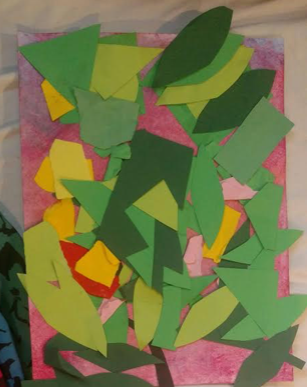

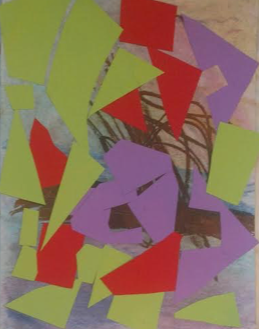

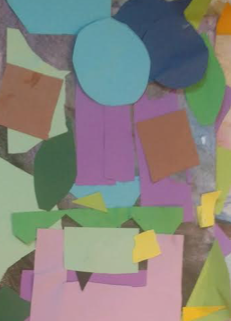

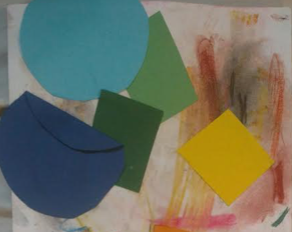
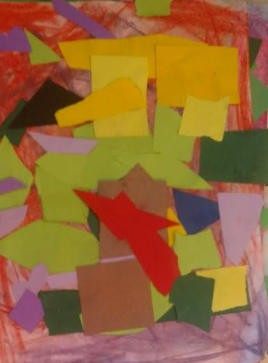


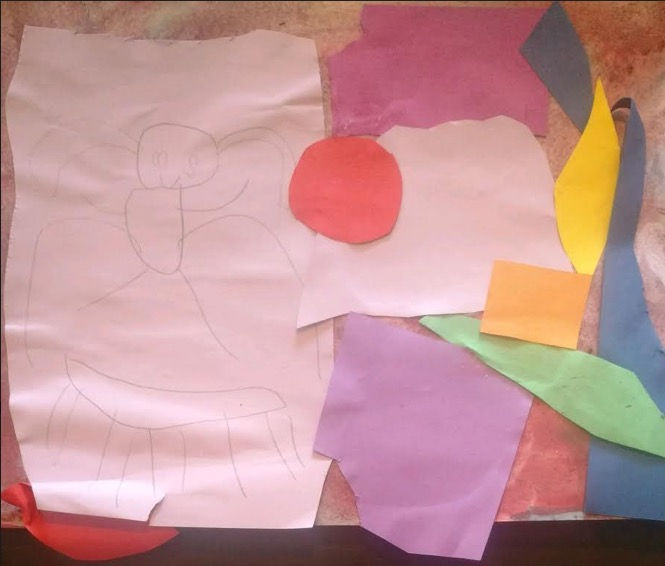
Kindergarten read the biographical story, "Matisse's Garden," by Samantha Friedman to learn about the colorful abstract collages of Henri Matisse, and how he created them.We read through the story, listing each step of Matisse's artistic process.
1- Matisse visited the Galapagos Islands, observing the plant and animal life.
2- He returns home, and uses scissors and colorful paper to cut out shapes that remind him of the plants and animals of the Galapagos.
3- He glues them onto white paper.
4- He looks at the art he has made to reflect.
5- Matisse paints backgrounds.
6- Matisse glues colorful shapes of paper onto painted backgrounds.
7- He hangs them all around his apartment.
6- He sees his cat looking at his garden art.
7- He paints to show his cat in the Galapagos garden, inside his apartment.
To imitate Matisse's process, we began by going outside on school grounds, looking at the plant life, insects, birds, and squirrels. Then we went back into the classroom, and used scissors to cut out shapes of paper. Some students chose to plan their shapes first, but drawing them onto the colored paper before cutting. Next, students painted colorful backgrounds. Students spent time positioning their shapes around their paintings in different ways to envision the best was to build their gardens. Finally, kindergarten glued their colorful shapes onto their painted backgrounds, creating their own garden collages.
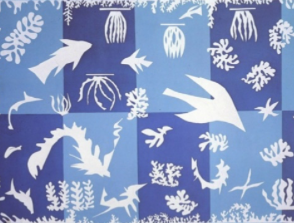
Garden art by Henri Matisse




Listen to and see a reading of, "Matisse's Garden." https://youtu.be/7sz8Ptvmqlk
This lesson was originally written to teach Kindergarten Colorado Department of Education Visual Arts standardized skills:
Kindergarten, Standard 4- Relate and Connect to Transfer, Concept and Skill 4.1- Artists and viewers contribute and connect to their communities. Evidence Outcome 4.1.a- Students can identify the activities in which artists participate in everyday life.
This lesson can also be used to teach older age groups the following standardized skills:
1st Grade, Standard 3. Invent and Discover to Create, Grade Level Expectation: 1. Investigate the properties of materials to support the planning and making of works of art to communicate. Evidence Outcome b. Describe the steps used in creating works of art.
2nd Grade, Standard 2. Envision and Critique to Reflect, Grade Level Expectation: 1. Share and explain choices made and possible next steps in personal works of visual art and design. Evidence Outcome a. Describe how artists reflect on their creative practice to improve works of visual art and design
3rd Grade, Standard 2. Envision and Critique to Reflect, Grade Level Expectation: 2. Synthesize ideas about personal works of art and imagine possible next steps. Evidence Outcome a. Demonstrate understanding of how research inspires development of ideas.
4th Grade, Standard 1. Observe and Learn to Comprehend, Grade Level Expectation: 1. Uncover how artistic intent can be enhanced through the use of the language of visual art and design. Evidence Outcome a. Hypothesize the steps an artist may have used to complete a work of visual art or design.
5th Grade, Standard 2. Envision and Critique to Reflect, Grade Level Expectation: 2. Visualize intended meaning and determine a method of planning that best supports personal art making. Evidence Outcome b. Identify various methods of planning for visual art and design.
Comments