Musical Art- Observe & Transfer to Create
- Leah Mattice
- May 15, 2020
- 2 min read

Updated: May 19, 2020
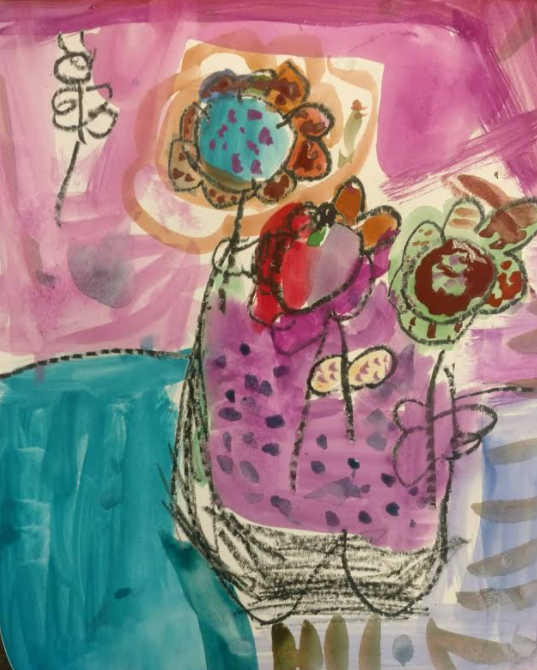
How can music inspire visual art?

Avy listened to traditional, Mexican guitar songs while she drew this.

by Avy

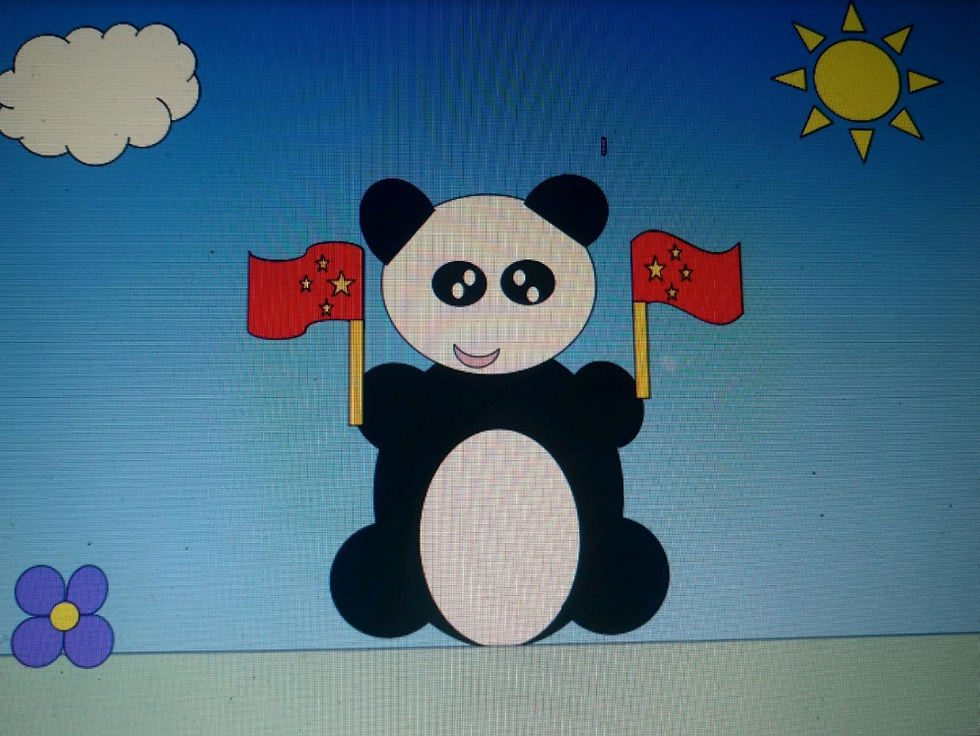
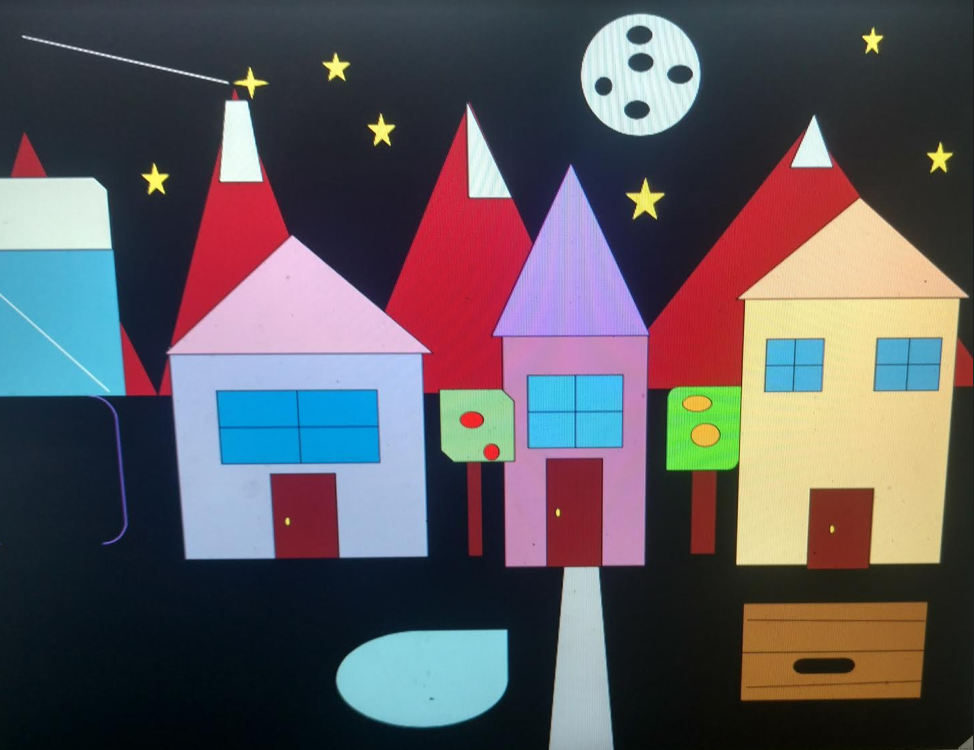
Classical Music Dinosaur, by Alejandro

Brothers, Adolfo and Alejandro drew these illustrations while listening to classical music.

Avy's Music Box Painting
Watch how other artists use music in art making process:
Sometimes, visual art is made to literally show was a song looks like:
Ms. Mattice's tips for making musical art (Choose one or two methods.):
-Show the feeling or emotion of the song.
-Close your eyes and imagine the story of the song, then create.
-Dance to make marks on paper.
-What does the music remind you of? Draw the memory.
Art Class Music Library:
Listening to music to inspire and guide your art making, and reflecting upon the musical art process exercises the following 2020 Colorado State Academic Standards of Visual Arts:
Fifth Grade, Standard 1. Observe and Learn to Comprehend, Grade Level Expectation: 2. Demonstrate an understanding of how works of visual art and design are influenced by the culture of daily life. Evidence Outcome: b. Investigate and discuss how popular culture influences visual art and design.
Fourth Grade, Standard 1. Observe and Learn to Comprehend, Grade Level Expectation: 2. Respond to an artist’s point of view being mindful of historical, contemporary and cultural context. Evidence Outcome: b. Respond to works of art using inference and empathy.
Fourth Grade, Standard 4. Relate and Connect to Transfer, Grade Level Expectation: 1. Investigate and discuss how diverse communities address issues relevant to their culture, place and times. Evidence Outcome: a. Identify and describe how visual art and design communicate meaning between any subject, discipline, event or issue.
Third Grade, Standard 3. Invent and Discover to Create, Grade Level Expectation: 1. Plan and create works of visual art and design recognizing various purposes and intentions. Evidence Outcomes: a. Demonstrate how working collaboratively can enhance the artistic process. b. Demonstrate understanding of how experimentation helps develop making
with purpose and intent.
Third Grade, Standard 4. Relate and Connect to Transfer, Grade Level Expectation: 1. Recognize how works of visual art and design communicate meaning both within a community and between diverse cultures. Evidence Outcome: a. Investigate how visual art and design can make connections between subjects, disciplines or events.
Second Grade, Standard 4. Relate and Connect to Transfer,Grade Level Expectation: 1. Observe and discuss how visual art and design are evident in the everyday life of communities. Evidence Outcome: a. Recognize how visual art and design is interdisciplinary.
First Grade, Standard 1. Observe and Learn to Comprehend, Grade Level Expectation: 1. Investigate how visual art and design tell the many stories of people, places or things. Evidence Outcome: b. Identify how works of art express specific feelings using the language of visual art and design
Kindergarten, Standard 3. Invent and Discover to Create, Grade Level Expectation: 1. Investigate the properties of materials to support the planning and making of works of art. Evidence Outcome: c. Use materials with intention and care.
Comments