Teacher's Spring Break Art
- Leah Mattice
- Mar 24, 2020
- 5 min read

Updated: Mar 28, 2020
I've capitalized on our two week long spring break by deeply immersing and reflecting upon my own creative process. In this time, I have made strong connections between my personal art practice and the standardized theories I've been teaching.


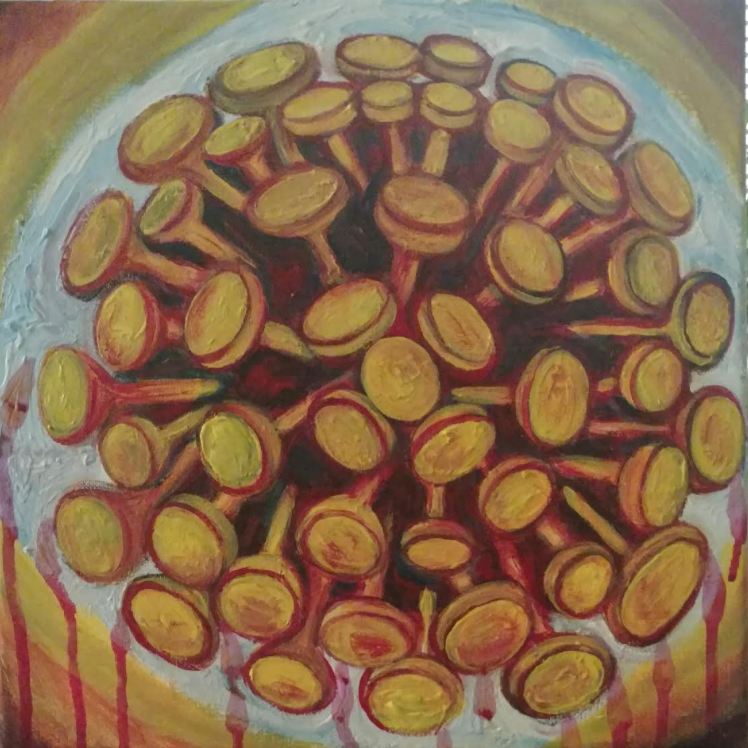

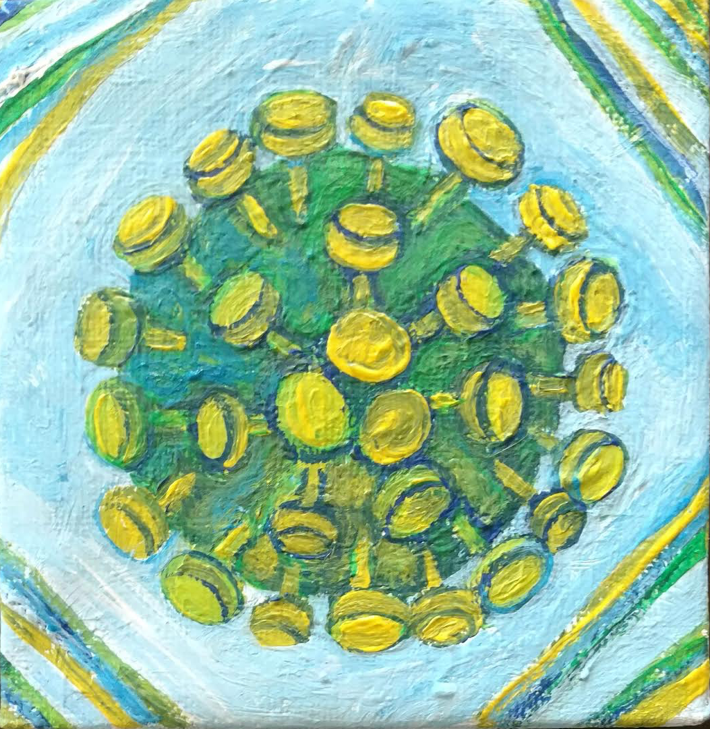
Micro Viral Triptych
We are living in a strange time. We are being asked to stay home from school, work and community activities to prevent the spread of a new virus (COVID 19) that has had fatal symptoms in some cases. I feel we are in a great era of change, and I hope that medicines and vaccines will be discovered and made available sooner than later, so that we can safely return to our cooperative communities outside of the home, and reunite with friends. Because this is a global event effect people across the planet, and I had to research scientific sources to plan the art, my triptych depicting microscopic images of the virus lives in Standard 4, (relate and connect to transfer.) Art is interdisciplinary and makes universal connections.
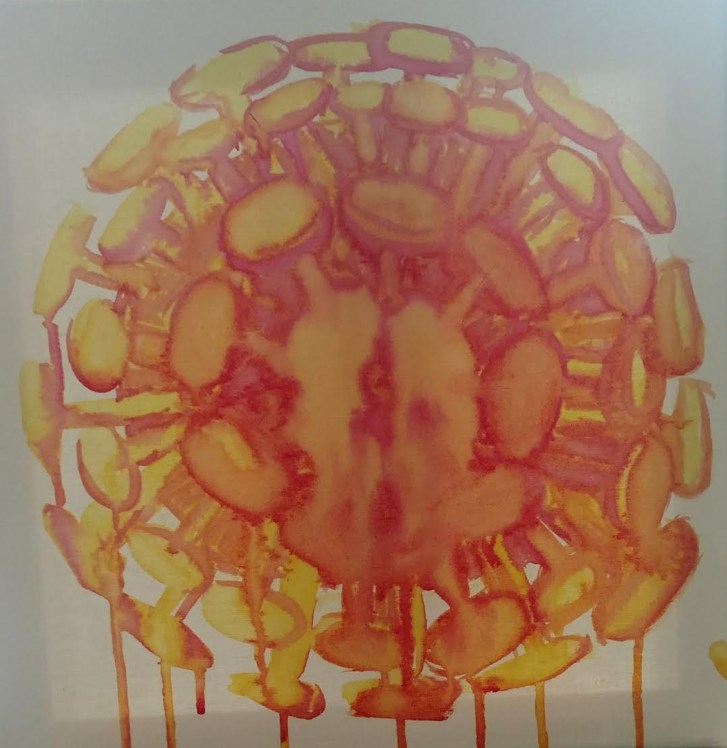
Because I made three different images of the same idea, I found myself repeating Standard 2 (Envision and Critique to Reflect) while exercising Standard 3 (Invent and Discover to Create). I initially planned my first painting, using neon liquid watercolors, because the color is so similar to the florescent dyes used to make microscopic slides in scientific research laboratories. As much as I loved the color, the drips of the liquid watercolors were distracting from my vision. The drips did look really cool, but it was too soon to use them in my design, so I switched to painting with acrylic. After finally accomplishing my vision of the COVID 19 microscopic image, I dripped the liquid watercolor in controlled areas to re-accomplish the original feeling of the painting when I'd started it. (This took a long time, and I think it shows the importance of pursuing a struggling work of art instead of starting over. Each unpredicted challenge and attempted solution leads to greater understanding of the artistic process.)
First layer, dripping with watercolor:
Second layer, with acrylic used to define the idea I'd first envisioned in my head, and reference images of the virus I had researched:

Final layer, with drips of liquid watercolor:
After finishing this first painting, I immediately had plans for my second painting, dodging the trials and errors of my first attempt. This time, instead of looking at the scientific journal images of the virus, I used my first painting as a reference. It was so much faster and easier to create this second viral capsid that I had time and energy to add human cells around it. For the third one, I was ready to change color schemes, and to paint with out using any reference images at all. The third, green one took only two hours to paint.
Quilting
Because I've been spending so much time around the home, I wanted to make something for my home. This was mostly a study of Standard 3 in very intentional selection of materials, so that the quilt would be both soft and comfortable to snuggle with as well as aesthetically pleasing. I was also reminded of Standard 1 (Observe and Learn to Comprehend), and how the art of patchwork and quilting is dependent on the pop cultures of contemporary and outdated fashion, considering %90 of the fabrics I used were recycled from old clothes and curtains.


(JR seems to think it's a success.)
Family Art
During this time of social distancing, I am so grateful to have my husband, Sean, and my dog JR. I made some art about our life we share and how we're processing this uncertain chain of events and comforting each other.

This is JR sleeping after a long walk. I've always been very attached to my dogs. I'm filled with love and gratitude when JR and I walk or sit together. I feel this same compassion when I create images of my dogs. I am now in the process of Standard 2 (Envision, Critique, Reflect). I will definitely add more light values to the side of his body and right arm. That will create an illusion of depth and make his body look more curvy, because right now his body looks flat in comparison to his head. I am also considering glazing over him with yellow and orange watercolor paint, but I may choose to keep it in grayscale. What do you think would look better?
My family and my favorite band, The Grateful Dead inspired some memes that I made on Google Drawings and shared on social media. In addition to The Grateful Dead's variety of sounds (jazz, rock, blues, blue grass, folk, disco...) they've written some of the most descriptive lyrics that have perfectly aligned with different chapters of my life. This meme quote the songs Morning Dew and is illustrated through photographs of my husband and dog. (Standard 4: Relate, Connect, Transfer.)

The tradition of still life is said to reflect mortality and the life cycle, from blooming into ripeness and eventually decaying. I felt now was an appropriate time to paint a still life, when large parts of the world are taking drastic measures to prioritize health. It also felt appropriate to paint fresh fruits and vegetables when grocery stores are restricting hours, and selling out of most products daily before the store closes.

I first started seriously studying still life in my second year of college, and back then, I referred to the masterful works of Paul Cezanne (1839-1906). He painting colorful fruit, sometimes placed next to the human skull. Throughout the ages, artists have requested access to (and sometimes even owned) human skulls to use as references for depicting the human facial structure, to invent the characters in portraits. (Standard 2: Envision, Critique, and Reflect)
In starting my still life, I laid the canvas flat and then poured liquid watercolor onto it to experiment with pooling and mixing of colors. I had some elements of control, like choosing the colors and slightly tipping the canvas different angles to move and mix pools of colors. After it dried, I looked at an old still life I had painted to paint the same arrangement of fruit. The colors above it reminded me of a butterfly or moth, so I looked at a real preserved butterfly to outline it's wings. It may be due to my college studies of Cezanne, but I felt compelled to add a skull into my still life. I observed my Halloween decoration to guide me. Because I really liked the colors shining through the eye sockets, I chose not to shade them in, but to instead to paint spiderweb and insect like designs inside. I am envisioning solutions for finishing this piece. I will paint more of the butterfly wings, leaving background colors shining through. I will also blend the outline of the skull in with the background colors.The fruit needs to be more colorful. I may paint fabric underneath for the fruit to sit upon.This is painting is not yet finished, so I am still in the phase of standard 2, Envision, and Critique to Reflect

I used real fruit as a reference to paint this still life around 2010. I imagined the background. Now I'm returning to this painting, using it as a reference to paint my new still life.
The next three still life paintings were made by Paul Cezanne:


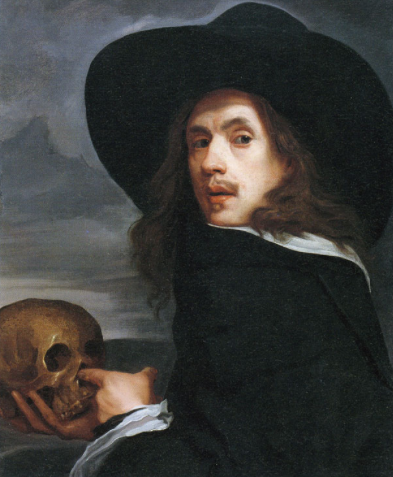

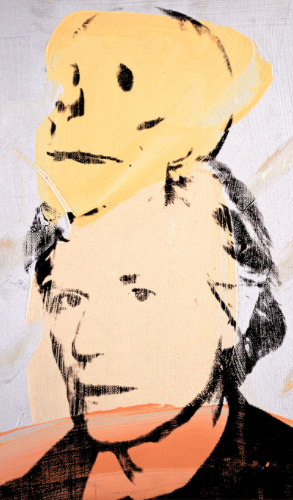
Andy Warhol, Self Portrait With Skull Photograph and Screen Print

Some Halloween decorations are convenient to have year round. Perhaps as a follow up, I can paint my self portrait with the skull too, making it colorful like Andy Warhol's screen print.

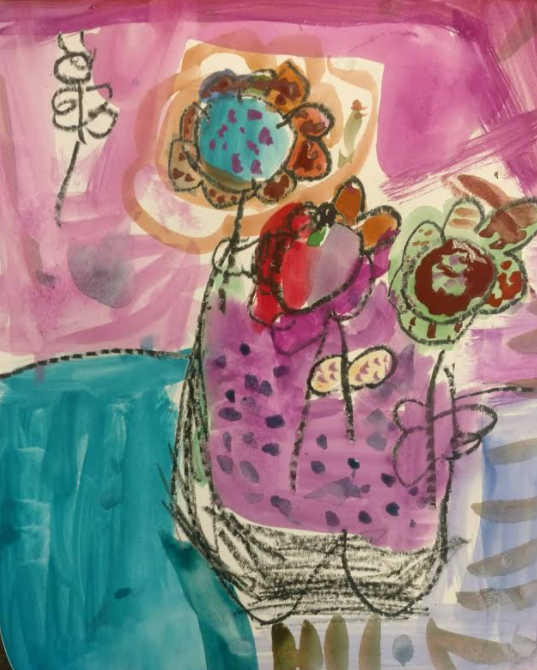
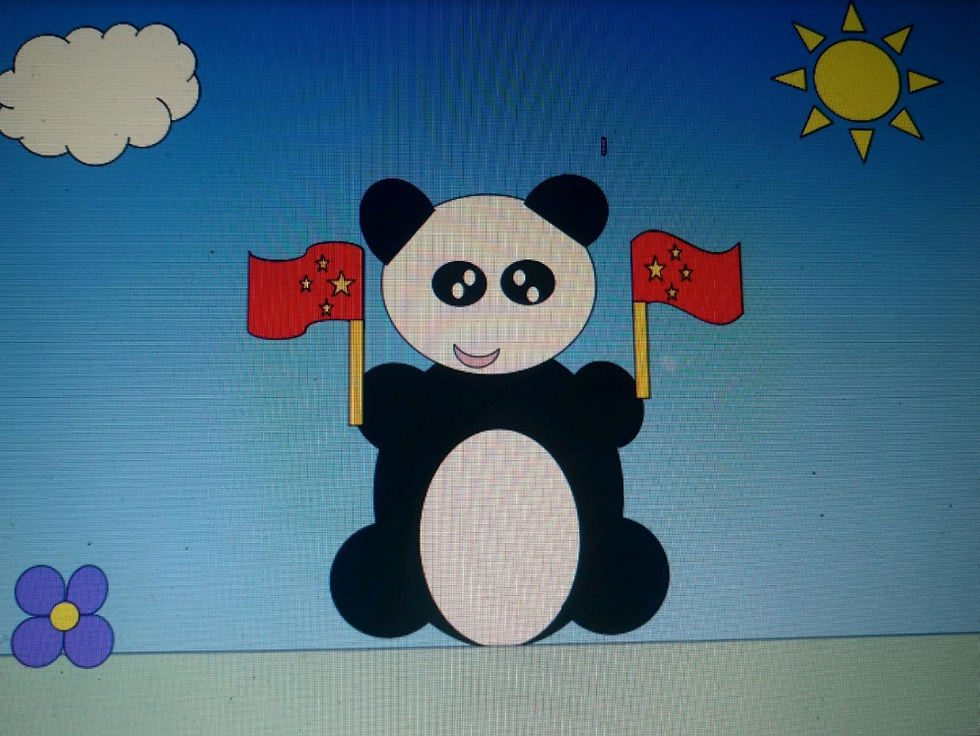
I end this blog with an oil pastel drawing I made that is a prayer for people to do the right thing; focus on staying safe and healthy while we wait for available cures and vaccines for COVID 19, as I'm also praying for a speedy development of these advancements. With that said, this drawing falls into Standard 1 (Observe, and Learn to Comprehend) by using the language of visual design to communicate specific ideas and artistic intentions.
Comments